What Colors Make Food Look More Appealing and Delicious to Children?
Key Takeaways
Bright colors like red, orange, and yellow can make food more appealing to children.
Green is associated with freshness and health, encouraging healthier eating habits.
Artificial food colors may have adverse effects and should be replaced with natural alternatives.
Involving children in meal preparation can increase their interest in colorful, healthy foods.
Key Answer
Colors like red, orange, and yellow make food look more appealing and delicious to children by creating excitement and increasing appetites. Green suggests health, while a mix of these colors can encourage kids to try diverse foods.
In the vibrant world of children's food, the question arises: what colors make food look more appealing and delicious to children? This intriguing question holds the key to understanding the impact of visual stimuli on young eaters. According to Cornell University research, children are naturally drawn to bright, vivid colors on their plates, which can significantly affect their willingness to try new foods. In Australia, where healthy eating habits are increasingly promoted, leveraging color psychology can be a game-changer for parents striving to enrich their children's diets.
Why Color Matters in Children's Food
Color plays a pivotal role in how children perceive food. Bright colors, such as red, orange, and yellow, are particularly effective in capturing their attention. These warm colors not only enhance the visual appeal of food but also stimulate appetite. The vivid hues can make a plate of food seem more exciting and inviting, encouraging children to taste what they might usually avoid. Green, although often associated with vegetables, can convey freshness and health, which is critical in promoting a balanced diet among youngsters.
Moreover, as children rely heavily on visual cues, the aesthetic appeal of their food can be a decisive factor in their willingness to try it. This is why understanding the role of color is crucial for parents who aim to improve their children's eating habits. By making healthy foods visually stimulating, parents can subtly influence their children to explore and enjoy a wider variety of nutritious options.
Warm Colors: A Feast for the Eyes
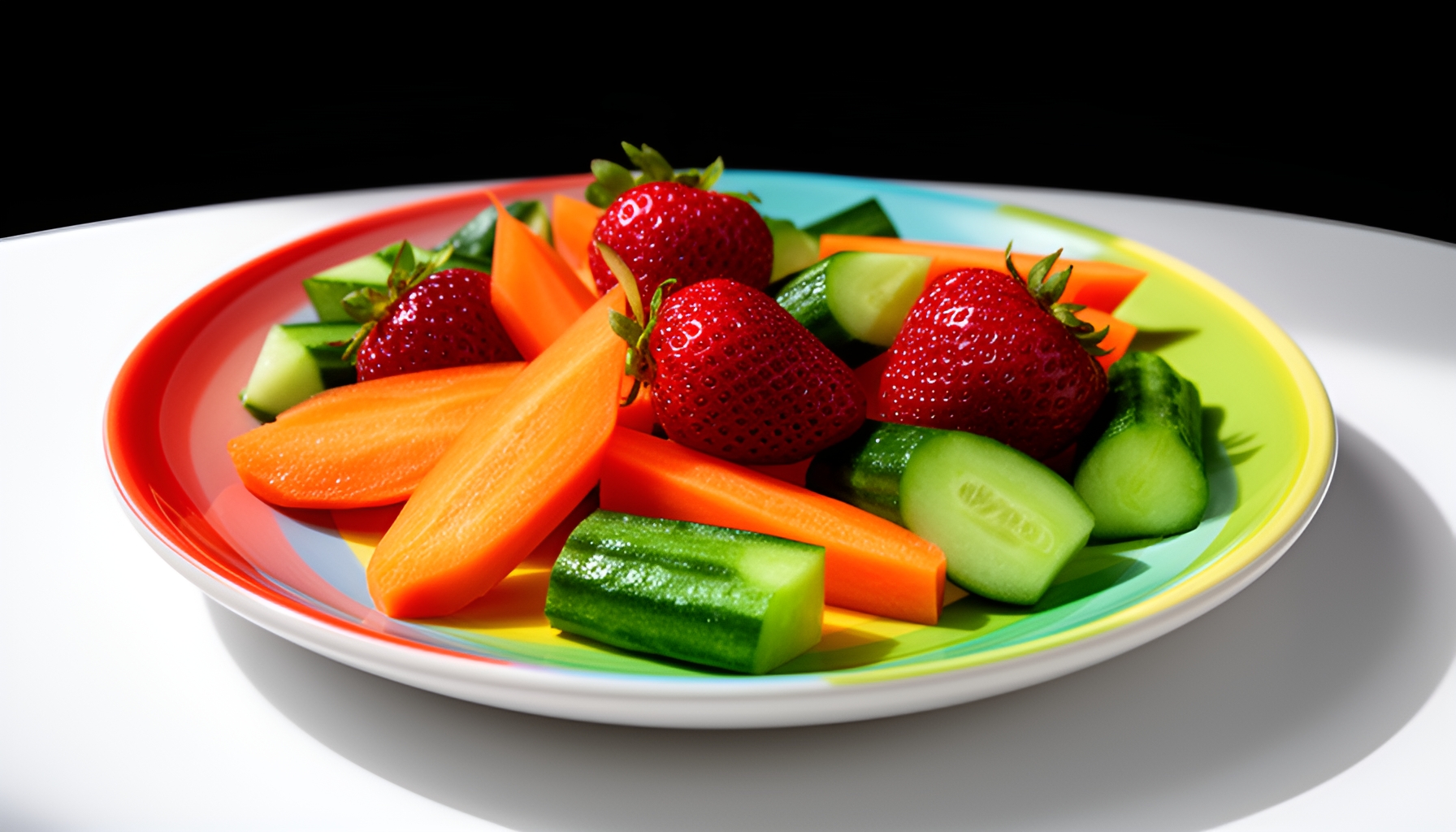
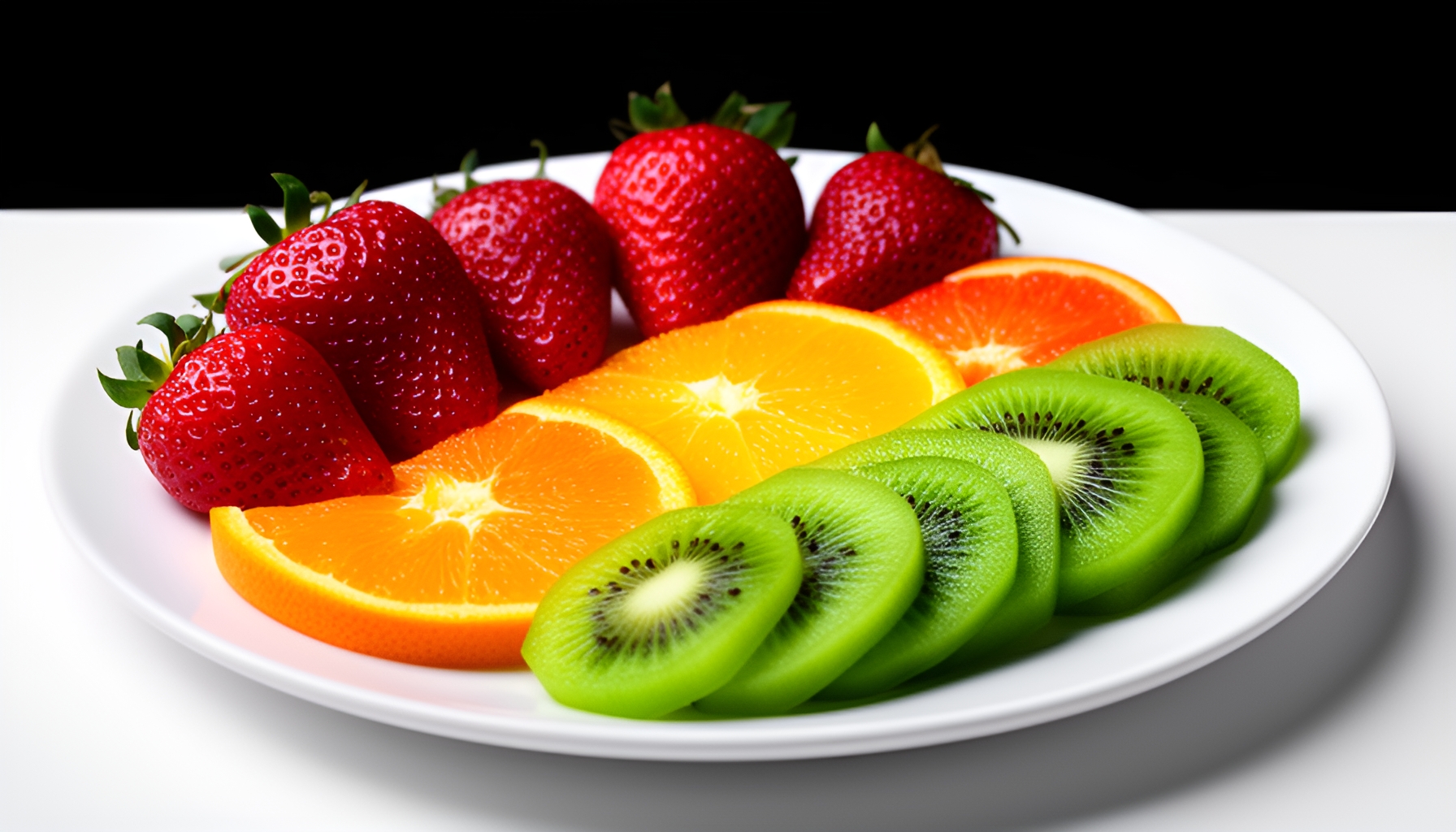
Warm colors like red, orange, and yellow are known to make food appear more appetising and flavorful. Red strawberries, for example, not only look delicious but also imply sweetness, which can entice children to indulge in them. The psychological impact of these colors is rooted in their ability to trigger excitement and energy, qualities that are especially attractive to young children.
Orange foods, such as carrots or slices of sweet potato, are often perceived as comforting and inviting, evoking a sense of warmth. Yellow foods like bananas and corn carry similar connotations, often being associated with cheerfulness and optimism. By integrating a variety of these warm colors into meals, parents can create a vibrant dining experience that captures children's imaginations and palates.
Expert Perspective
Nutrition and Child Development Specialist
In the realm of child nutrition, understanding the influence of color can be transformative. By strategically using bright, appealing colors in food, parents can significantly enhance their children's willingness to explore a broader range of foods. This approach not only supports healthy eating habits but also encourages children to develop a positive relationship with diverse and nutritious foods from an early age.
The Role of Green: Freshness and Health
Green is synonymous with freshness and health, and its use in children's food can help to convey these qualities. Foods like green apples, peas, and broccoli not only appear vibrant but also signal a healthy choice. While some children may initially resist green foods, due to preconceived notions about vegetables, the right presentation can change their perception.
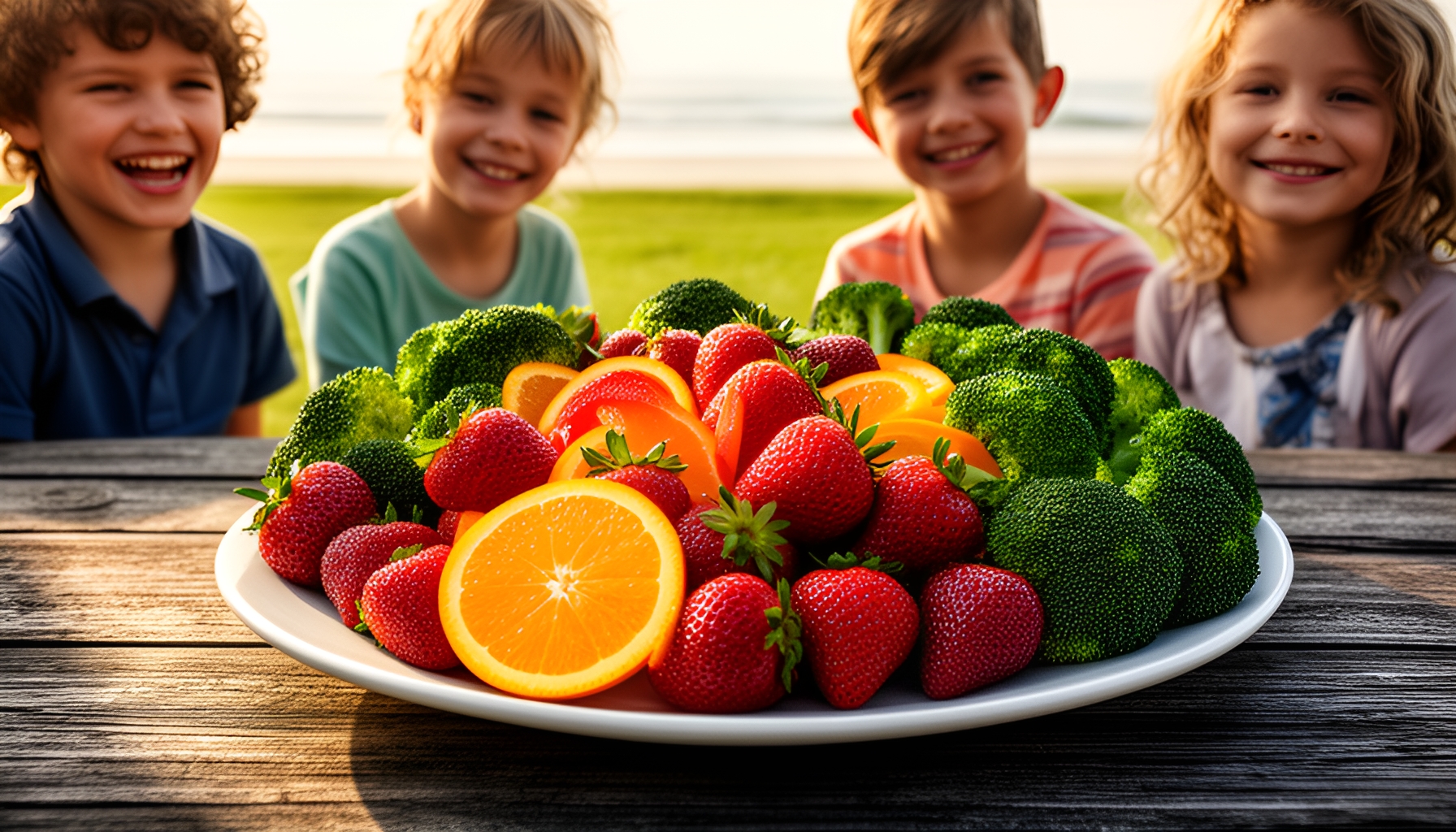
By pairing green foods with bright, complementary colors, parents can create a more balanced and visually appealing meal. This approach can encourage children to view green foods as a natural and enjoyable part of their diet, fostering healthier eating habits over time. In Australia, where there is a strong emphasis on promoting fresh produce, this strategy aligns well with nutritional goals.
Avoiding the Pitfalls of Artificial Colors
While vibrant colors are appealing, parents should be mindful of the potential downsides of artificial food colors. Studies have shown that synthetic dyes can have adverse effects on children's health, including behavioral issues. It is essential to focus on naturally colorful foods, such as fruits and vegetables, which not only provide visual appeal but also nutritional benefits.
According to research, over 40% of products marketed toward children contain artificial colors. Therefore, parents are encouraged to explore natural alternatives, using foods like beet juice or turmeric for homemade coloring. This not only ensures the safety and health of children but also adds an element of fun and creativity to meal preparation.
Harnessing the Power of Color in Meal Planning
To effectively use color in meal planning, parents can employ a variety of strategies. For instance, creating themed meals based on color can make dining more engaging for children. A "Green Day" with kiwi, cucumber, and green beans can be both nutritious and fun. Similarly, incorporating colorful kitchenware and utensils can enhance the dining experience, making meals more visually stimulating.
Involving children in the meal preparation process can also increase their interest in food. Allowing them to choose and arrange colorful ingredients fosters a sense of ownership and excitement, making them more likely to try the foods they've helped to prepare. These small, creative approaches can transform mealtime into an enjoyable and educational experience for the whole family.
Frequently Asked Questions
Why are bright colors effective in making food appealing to children?
Bright colors such as red, orange, and yellow capture children's attention and stimulate their appetite, making food seem more exciting and delicious.
How can parents avoid using artificial food colors?
Parents can use natural alternatives like beet juice or turmeric for coloring, ensuring both safety and nutritional value.
What are some strategies to use color in meal planning for kids?
Creating themed meals based on color and involving children in meal preparation can make meals more engaging and enjoyable.
Is green always perceived positively by children?
Not always. While green is associated with health, some children may resist green foods due to preconceived notions about vegetables, but presentation can improve their perception.
What role does color play in healthy eating habits for children?
Color enhances the visual appeal of healthy foods, encouraging children to try and enjoy a wider variety of nutritious options.