What Colours Make Food Look More Appealing and Delicious to Children? The Comprehensive Guide for Australian Parents
Key Takeaways
Bright colours can significantly enhance the appeal of food to children, making them more inclined to try new foods.
Natural colours from fruits and vegetables are preferable to artificial dyes, which can have adverse health impacts.
Using a mix of colours, playful presentation, and involving kids in meal prep can improve their interest in healthy eating.
Key Answer
Bright colours like red, orange, and yellow make food more appealing to children, enhancing their interest and encouraging healthier eating habits.
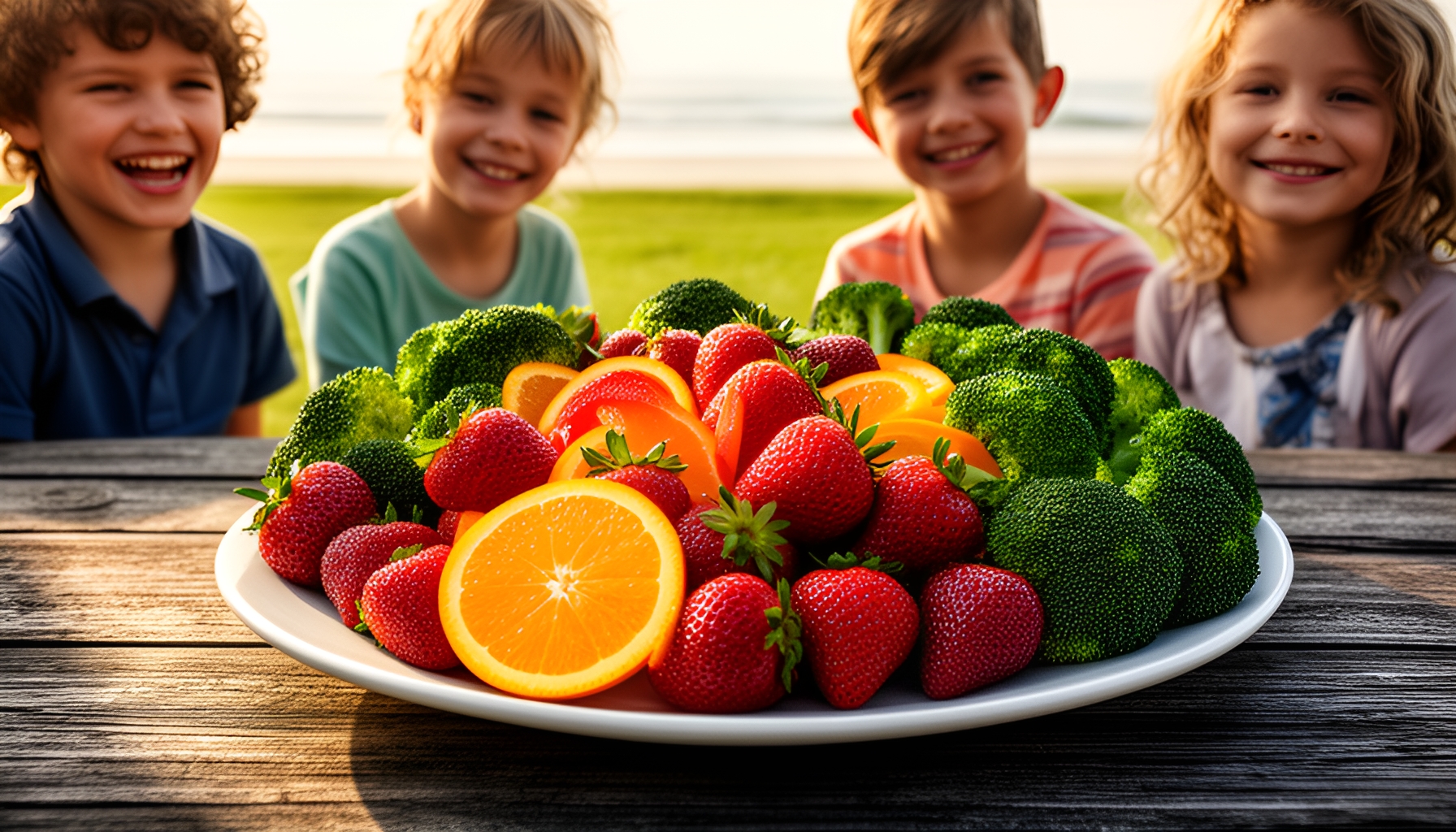
What colours make food look more appealing and delicious to children? This question is at the heart of many parental attempts to encourage healthier eating habits. Vibrant colours such as red, orange, and yellow are particularly effective in grabbing children's attention, making meals seem more exciting and enticing. Moreover, green hues convey freshness and health, subtly persuading children to try a variety of foods. For Australian parents aiming to transform their child's mealtime into a colourful and enjoyable experience, understanding the impact of these colours is essential.
The Psychology of Colour in Children's Food Preferences
Colour plays a significant role in how children perceive and choose their food. According to research, vibrant colours such as red, orange, and yellow can make food appear more exciting and appetising to young ones. These colours are often associated with fun and energy, which naturally appeals to children's playful nature. Green, on the other hand, brings to mind ideas of health and freshness, making vegetables more inviting.
Studies show that the primary colours have a profound psychological impact on children. For instance, a brightly coloured plate can instantly attract a child's attention and spark curiosity, even before the first bite is taken. According to NIH research, these visual cues are crucial as children rely heavily on sight over taste when selecting foods.
Warm Colours and Their Influence on Appetite
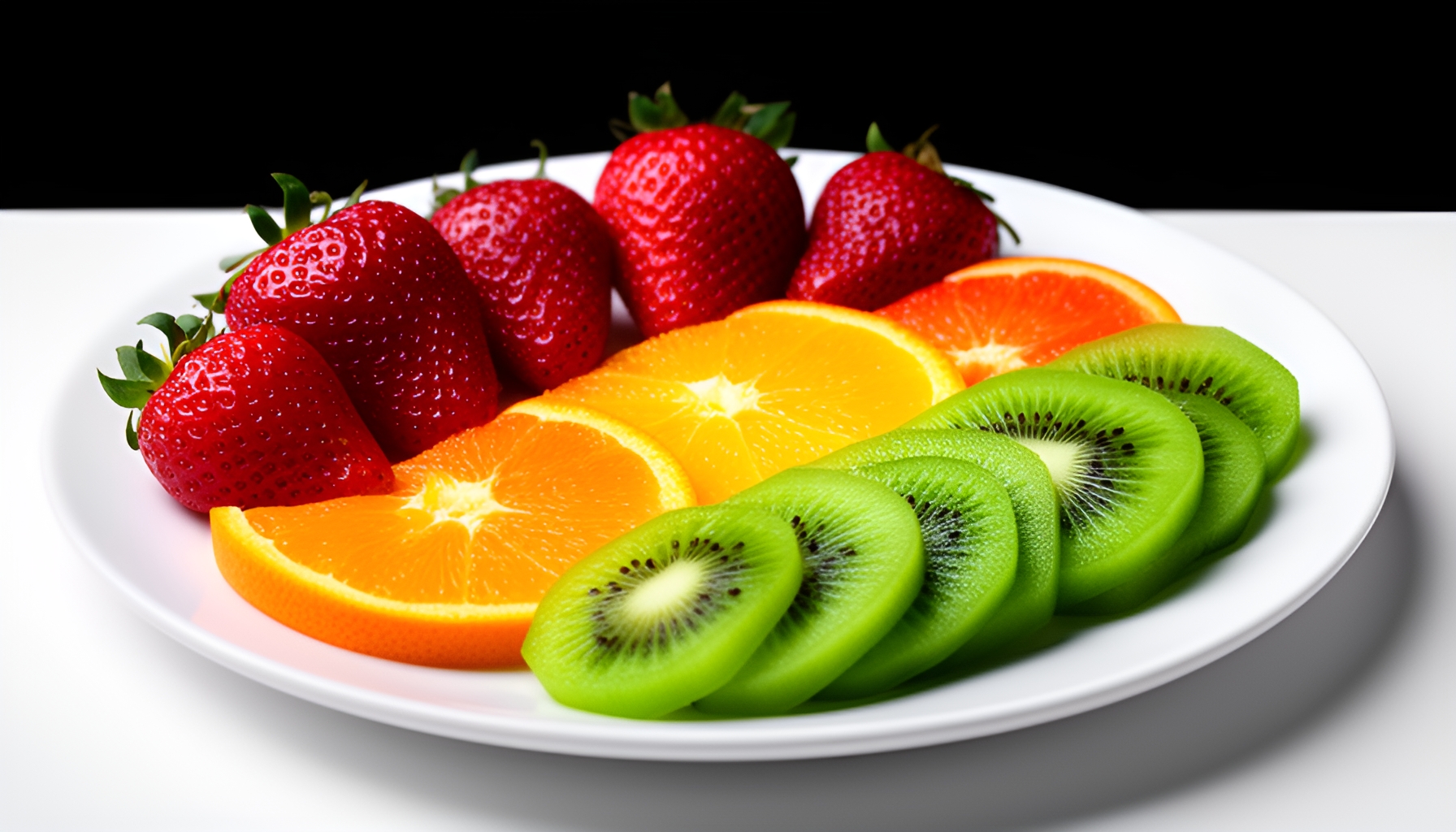
Warm colours, such as red, orange, and yellow, are known to stimulate appetite and enhance the perception of flavours. Red strawberries and orange slices can make a plate appear more energetic and appetising. This is because warm colours tend to evoke feelings of happiness and excitement, which can make food seem more delicious and inviting.
In Australia, where fresh produce is plentiful, incorporating these warm hues into children's meals can be an effective strategy to increase their interest in trying different foods. Serving dishes that combine these colours not only makes the meal visually appealing but also aids in promoting a balanced diet.
Expert Perspective
Child Nutrition Specialist
In the realm of children's nutrition, the visual appeal of food cannot be understated. As an expert, I believe that leveraging natural colours is a smart way to guide children towards healthier eating patterns. Understanding and applying colour psychology can transform routine meals into exciting culinary adventures for young ones.
Green: The Colour of Health
Green is often associated with health and wellness, making it a powerful tool in encouraging children to eat more vegetables. Foods like green beans, cucumbers, and spinach not only add a fresh look to any dish but also boost its health quotient. The presence of green on a plate can subtly suggest to children that the food is healthy and worth trying.
Parents can leverage this perception by introducing greens in playful and creative ways, such as arranging cucumber slices into fun shapes or adding spinach into a fruit smoothie for a surprise health boost. Such strategies can make green foods more palatable and less intimidating for young eaters.
The Effects of Artificial Colours
While natural colours enhance the appeal of food, artificial colours can have mixed effects. Although these are commonly used to make foods visually attractive, especially in processed snacks and confectionery, their impact is not purely positive. According to a study by NIH, a significant portion of children's food products contain synthetic dyes, which have raised health concerns.
It is crucial for parents to be aware of the potential downsides of artificial colours and prioritise natural alternatives. By selecting foods that boast natural vibrancy, such as fresh fruits and vegetables, parents can avoid unnecessary additives while still making meals look appealing.
Practical Tips for Using Colours to Encourage Healthy Eating
Engaging children in healthy eating can be significantly easier by creatively using colours in their meals. Here are some practical tips for Australian parents to make food more visually enticing:
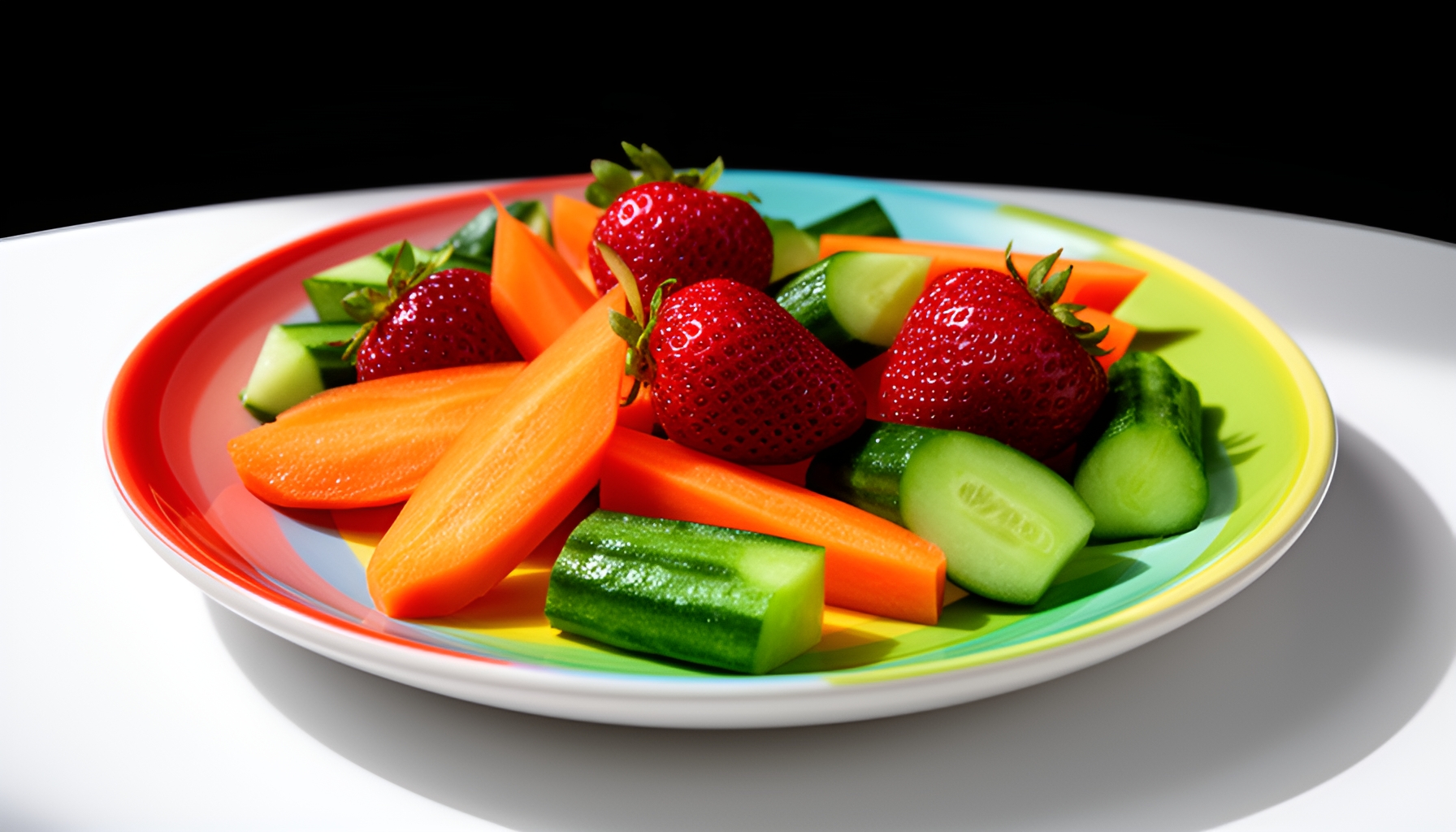
1. Serve a Rainbow: Include a variety of colourful fruits and vegetables in each meal. For instance, pair red bell peppers with green peas and yellow corn to create a vibrant plate.
2. Use Colourful Tableware: Brightly coloured plates and utensils can make meal times more fun and engaging for children, prompting them to eat more readily.
3. Create Fun Food Shapes: Use cookie cutters to shape foods into stars, hearts, or animals. This not only makes meals more fun but also encourages kids to try different foods.
4. Involve Kids in Cooking: Letting children help with meal preparation can increase their interest in eating. Have them arrange fruits and vegetables, fostering a sense of pride and willingness to try what they've made.
Frequently Asked Questions
Why are bright colours used in children's meals?
Bright colours like red, orange, and yellow attract children's attention and make meals more visually appealing, encouraging them to try new foods.
Are artificial food colours safe for children?
While artificial colours are commonly used, they can have health concerns. It's recommended to opt for natural colour sources from fruits and vegetables.
How can parents make green foods more appealing to children?
Parents can use fun shapes and include green foods in smoothies or salads to make them more attractive and less intimidating for children.
What role do colour perceptions play in food choice?
Colour perceptions heavily influence food choice, as children rely on visual cues to assess taste and appeal.
Can using colourful tableware affect children's eating habits?
Yes, using brightly coloured plates and utensils can make mealtimes more engaging and encourage children to eat more.