Unlocking the Secret: What Colors Make Food Look More Appealing and Delicious to Children?
Key Takeaways
Bright colors like red, orange, and yellow make foods more appealing to children.
Green hues convey freshness and encourage the consumption of healthy foods.
Natural colors are preferable to artificial dyes for health reasons.
Creative presentation can enhance the appeal of meals for children.
Key Answer
Bright colors such as red, orange, and yellow make food more appealing and delicious to children by attracting their attention and stimulating interest. Green offers a fresh look, encouraging kids to try new foods.
Understanding what colors make food look more appealing and delicious to children is crucial for parents aiming to cultivate healthy eating habits. Bright colors like red, orange, and yellow are not just visually appealing but can actively engage a child's interest in food. The use of vibrant colors can transform a meal, making it look exciting and appetizing, while green hues give foods a fresh and healthy appearance.
The Power of Colors in Food Presentation
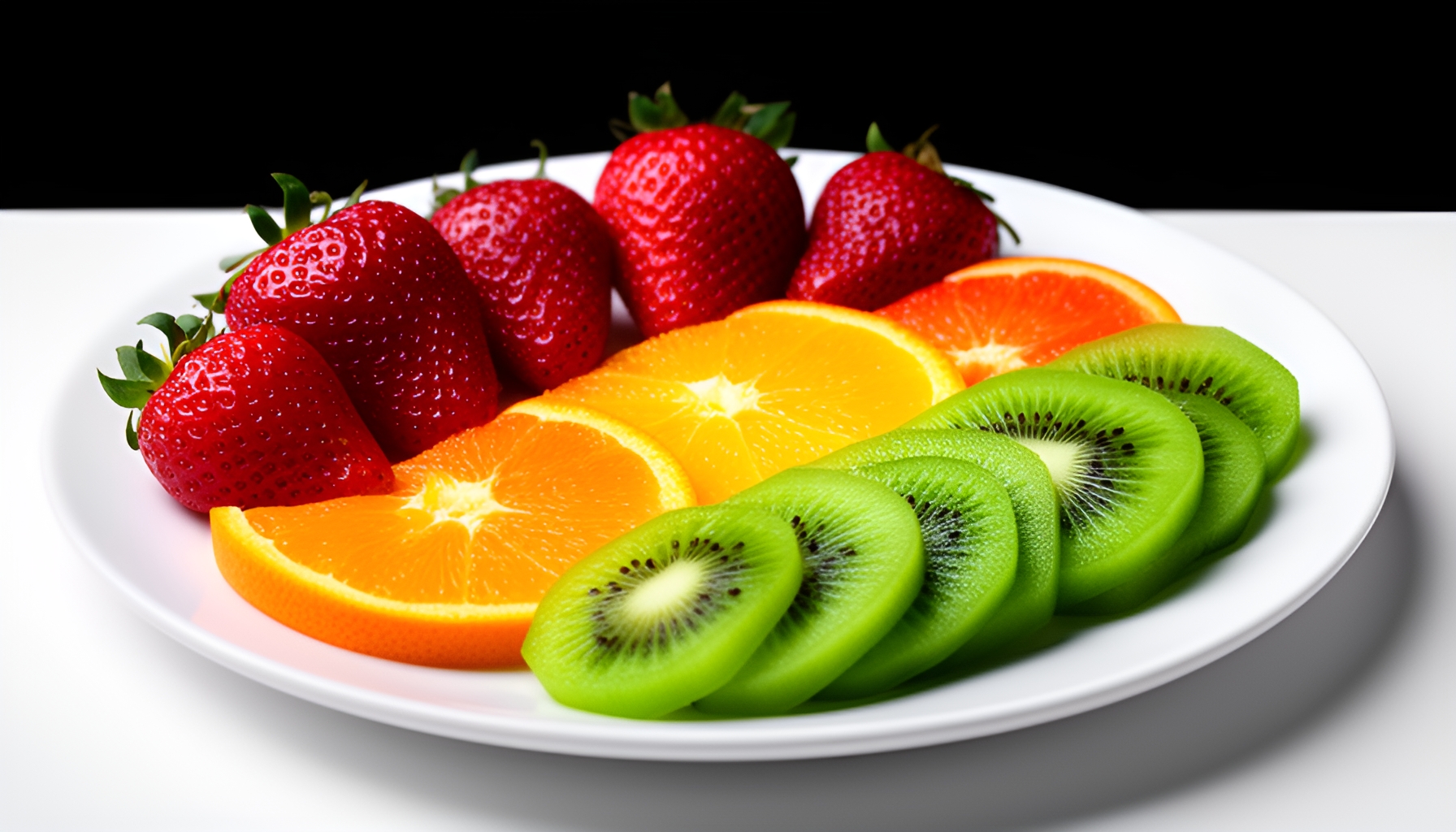
Bright colors play a significant role in attracting children's attention to food. By using colors strategically, meals can be visually enticing, making them more likely to be eaten by children who are often visual eaters. Red, orange, and yellow are particularly effective in making food appear more exciting and appetizing. These warm colors are known to stimulate emotions and energy, making them perfect for sparking a child's interest at meal times.
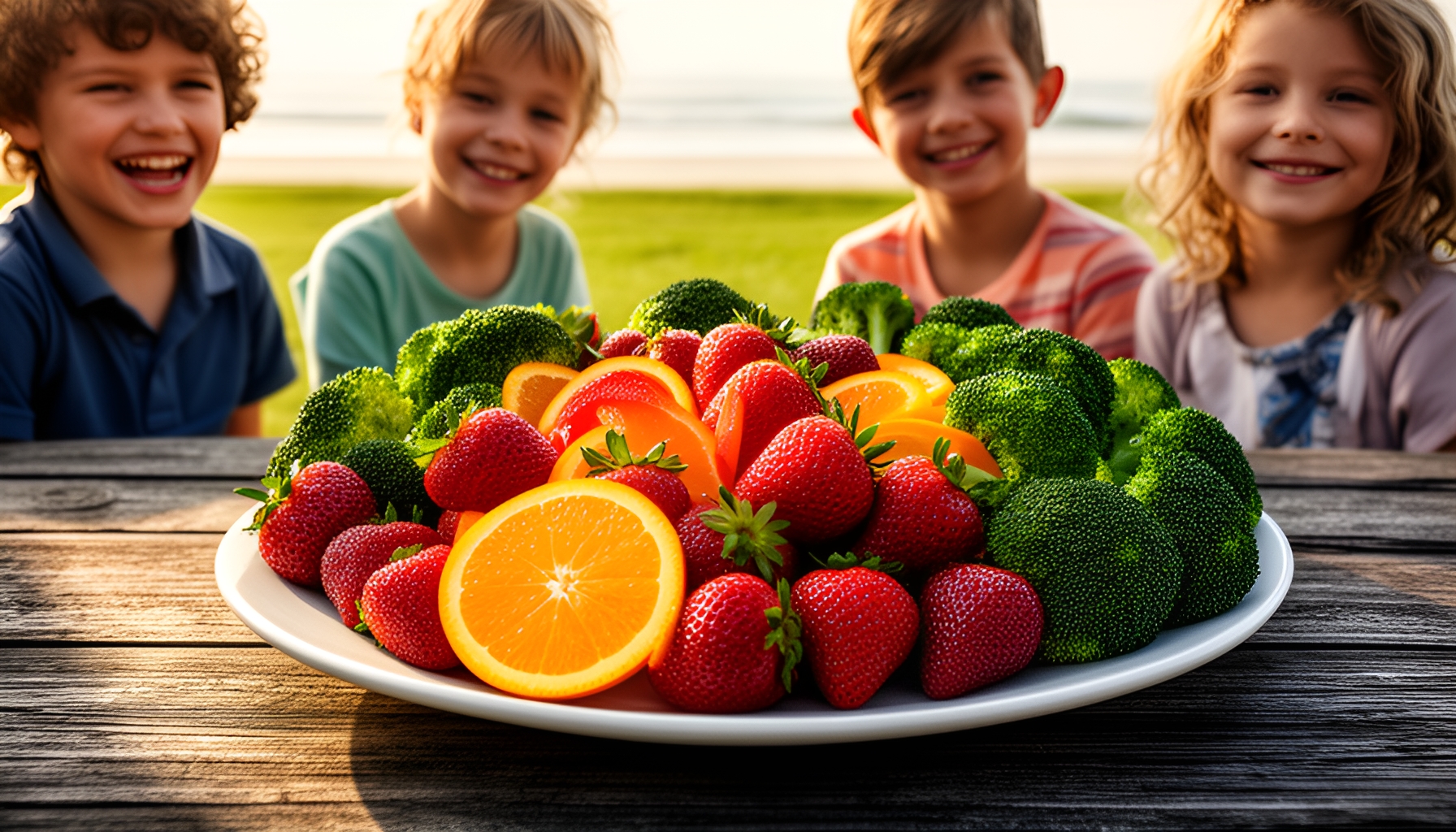
On the other hand, green colors are associated with freshness and health. Incorporating greens such as spinach or broccoli not only adds nutritional value but also balances the plate visually, creating a complete and appealing meal that children are more likely to accept.
How Colour Psychology Influences Children's Eating Habits
Color psychology has shown that children are attracted to bright, vibrant colors, which can influence their willingness to try new foods. Red, for instance, is often associated with sweetness and can make foods like strawberries more inviting. In contrast, colors like green can project an image of health and vitality, encouraging children to associate these foods with positive feelings.
Research suggests that primary colors can increase engagement in younger children by making the food experience more playful and enjoyable. Using a mix of these colors can disguise less popular healthy foods and encourage a broader palate.
Expert Perspective
Registered Dietitian
Understanding the impact of colors on food presentation can empower parents to make meals more enticing for children. By leveraging color psychology, parents can introduce a wider variety of foods into their children's diets in a visually appealing way.
Natural vs. Artificial Colors: What Parents Should Know
While bright colors are effective in attracting children's attention, it is important to understand the difference between natural and artificial colors. Natural colors, derived from fruits and vegetables like beetroot, spinach, or turmeric, can offer vibrant hues without the health concerns associated with artificial dyes.
Artificial food colors have been scrutinised for potential health impacts, particularly in children. Studies have indicated that some artificial dyes may affect behavior, leading to a growing preference for natural alternatives. Parents should aim to use natural color sources to make foods appealing while maintaining nutritional integrity.
Practical Tips for Using Color to Make Meals Appealing
Parents can incorporate color into meals in several creative ways to make them more appealing to children. Start by selecting a range of colorful fruits and vegetables such as red capsicums, oranges, blueberries, and green beans. Arranging these in fun shapes or patterns can make the meal look more interesting and inviting.
Incorporating themed meal days like a 'Rainbow Day' where each meal is dominated by a different color can also encourage children to explore new foods. Letting kids get involved in the preparation process can further enhance their interest and willingness to try different foods.
The Impact of Plate and Food Color Contrast
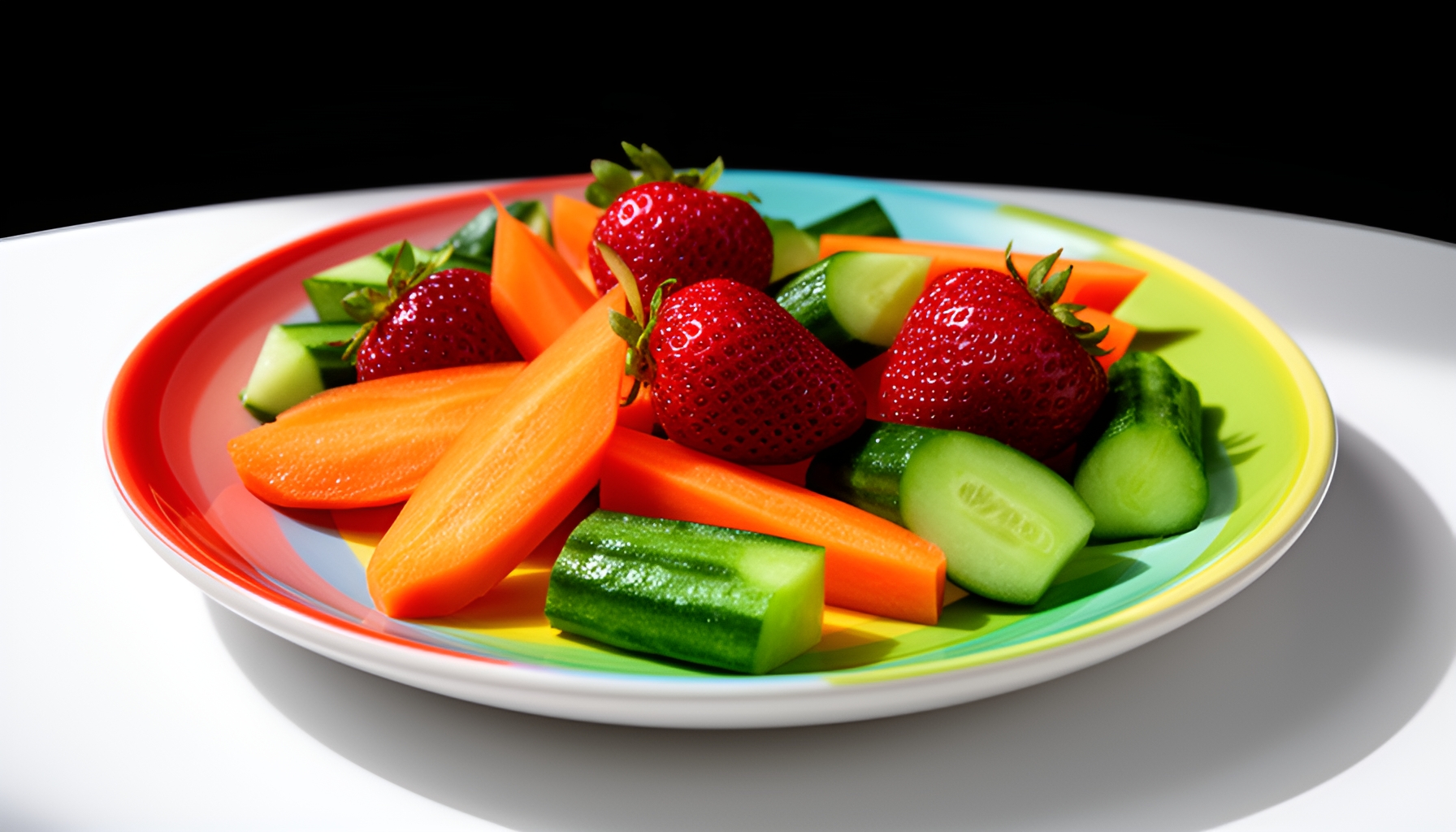
Research suggests that the contrast between the food and the plate color can affect a child's perception of taste. A brightly colored meal on a neutral plate can make the food appear more vibrant, while a colorful plate might make the meal itself less distinct. Understanding these dynamics can help parents present meals in a way that is both visually appealing and appetizing.
Frequently Asked Questions
Why do bright colors make food more appealing to children?
Bright colors like red, orange, and yellow are visually stimulating and can create excitement, making food more inviting to children.
Are artificial food colors safe for children?
While generally deemed safe, some studies suggest potential behavioral impacts, leading many to prefer natural color sources.
How can parents use color to encourage healthier eating?
Parents can use a variety of naturally colorful foods, fun presentation techniques, and involve children in meal preparation to make healthy foods more appealing.
What role does plate color play in food appeal?
The contrast between food and plate color can influence perceived taste, with neutral plates often making colorful foods look more vibrant.
Can natural colors replace artificial ones effectively?
Yes, natural colors from fruits and vegetables can effectively make meals appealing without the drawbacks of artificial dyes.